Discover our energy transition solutions
Electrifying a fleet can feel complex — but with Michelin, it becomes simple, data‑driven, and tailored.
Our solutions help you understand where EVs make sense, how to transition smoothly, and how to reduce your environmental impact while controlling costs.
Transition to an electrified Fleet
Our approach combines real operational data with predictive analytics to support your energy transition from A to Z.
This includes:
Identifying EV‑eligible vehicles based on real driving patterns
Estimating CO₂ reductions and cost impact
Supporting operational adoption (charging, usage, range)
Offering long‑term EV fleet monitoring and optimisation
Whether you manage a small local fleet or a large multi‑country operation, Michelin provides clarity and actionable insights for a confident, progressive transition.
The EV transition tool (MCF)
Make informed, data‑driven decisions about electrifying your fleet — vehicle by vehicle.
The EV Transition Tool on the Michelin Connected Fleet (MCF) platform analyses real-life vehicle usage to identify which vehicles can be safely and efficiently replaced by electric alternatives.
What the tool does:
Analyse real driving behaviour (daily mileage, trip patterns, stop duration, etc.)
Determine EV suitability for each vehicle based on actual usage
Estimate potential cost savings, including fuel
Calculate CO₂ emissions reduction potential
Identify operational risks, such as time of charge required
The result: A clear electrification roadmap, tailored to your fleet’s operations — only with real data.
Frequently Asked Questions (FAQs) - EV transition
Get an answer to your question
The EV Transition Tool uses your own vehicle’s historical data to determine if the daily usage fits the capabilities of electric vehicles.
Our analysis includes fuel savings, estimated charging costs, and potential TCO evolution.
We simulate daily driving needs versus EV model range, taking into account weather, payload, and charging opportunities
We help identify the best approach depending on your fleet’s operating patterns: depot charging, home charging, or public networks.
We provide an electrification roadmap prioritising vehicle that deliver the highest environmental benefits first.
Why choose Michelin for energy transition solutions?
A global leader in tyre intelligence
130+ years of mobility and engineering expertise
Trusted by tens of thousands of professional fleets worldwide
Michelin combines deep tyre engineering knowledge with advanced connected technologies to help fleets operate safely, efficiently and sustainably across all environments.
You might also like
-
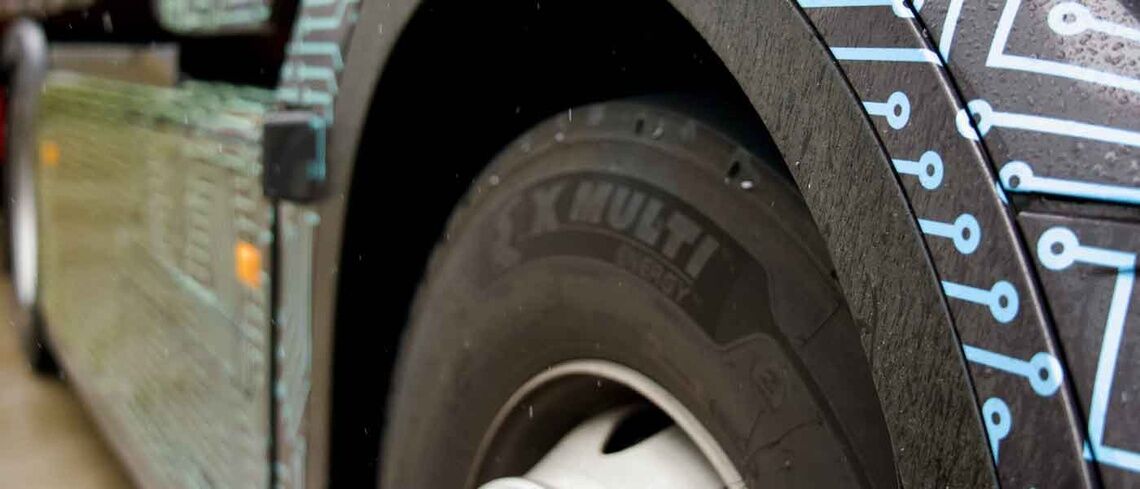
Which tyres do I need for an electric truck?
The transition of the transport industry towards sustainable mobility is already engaged with one overriding imperative: to reduce the environmental footprint. To this end, electric vehicles are becoming a more relevant choice than combustion-powered vehicles. In this article, we explain why tires also play a decisive role, and which are the wisest choices particularly for your electric trucks.Learn more -
Tyres to reduce CO₂ emissions from heavy-duty vehicles
Efficient tyres for heavy-duty vehicles are a crucial asset for improving sustainability in the construction sector. To meet increasingly stringent regulations and environmental requirements, they need to combine the optimum balance of performance, robustness and energy efficiency. Which tyres should you choose to meet these needs? Our experts are here to guide you.Learn more -
What will reduce fuel consumption for trucks?
As a fleet manager, you know that reducing fuel consumption is one of the biggest challenges in managing your trucks. Rising energy prices and increasing environmental concerns make it more important than ever to identify ways to optimise fuel efficiency. There is one underestimated yet crucial element that directly impacts your trucks’ fuel use: rolling resistance. Let’s explore how this works and how you can take control of it to reduce costs and emissions.Learn more -
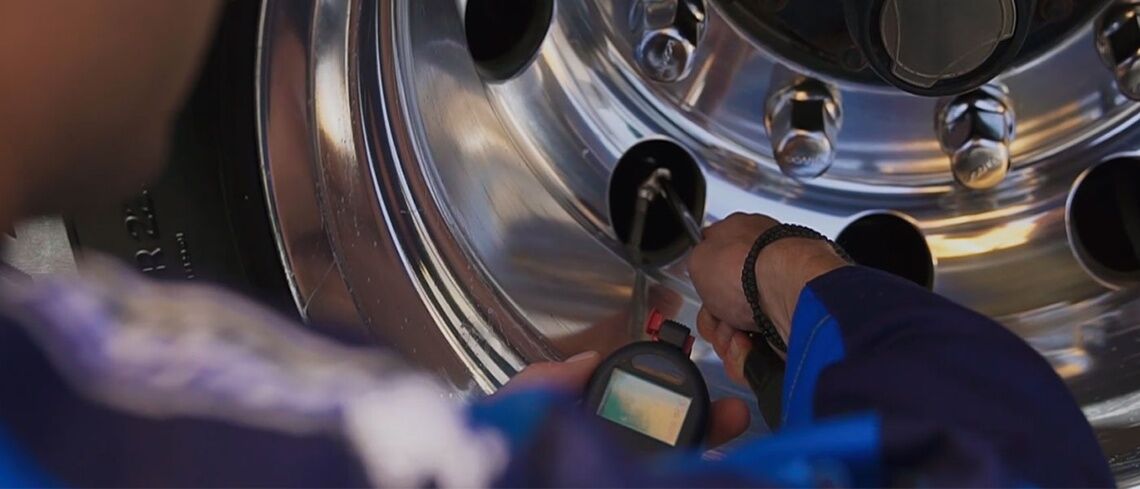
Why is truck tyre pressure essential for your business?
Applying and maintaining the correct inflation truck tyre pressure is key for optimum performance and safety. As we will see, it also avoids problems and allows you to optimise your fuel consumption. Find out what our experts have to say.Learn more -
How to choose a heavy duty truck tyre inflator?
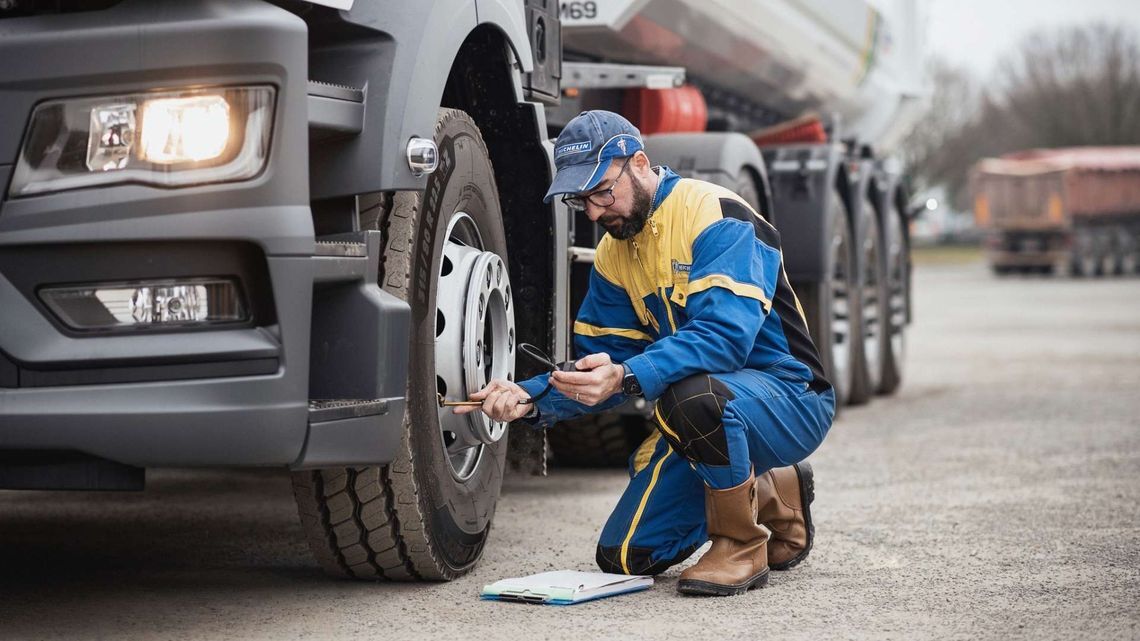
Maintaining the correct tyre pressure for heavy goods vehicles (HGVs) is crucial to the safety of the driver and other road users. It also plays an essential role in the economic and operational efficiency of vehicles. But which tyre inflator should you choose for effective pressure management of your HGV? Let's take a look at the different solutions.Learn more -

VECTO regulations: how stricter EU emission standards are reshaping heavy-duty transport
The European Commission recently tightened VECTO regulations, increasing the responsibility of OEMs (Original Equipment Manufacturers) to help cut industry-wide carbon emissions, promoting greater transparency and introducing a new requirement for European fleets. Keep reading to find out how and when these changes will impact your fleet —and help you make more informed decisions !Learn more